Introduction to Uizard AI
In an era where artificial intelligence is steadily reshaping the way digital products are designed, Uizard AI has emerged as a groundbreaking tool that bridges the gap between concept and creation. Built to simplify and accelerate UI/UX design workflows, Uizard AI is a design platform powered by advanced machine learning, specifically tailored for product managers, designers, and even non-technical users. The tool is designed to convert ideas—whether they are hand-drawn sketches, written prompts, or pre-existing design templates—into fully functional wireframes or prototypes in minutes uizard ai. This not only reduces the time and effort traditionally associated with design but also democratizes the process, enabling more teams to participate in product development without needing deep expertise in design tools like Figma or Adobe XD.
Core Features and Capabilities
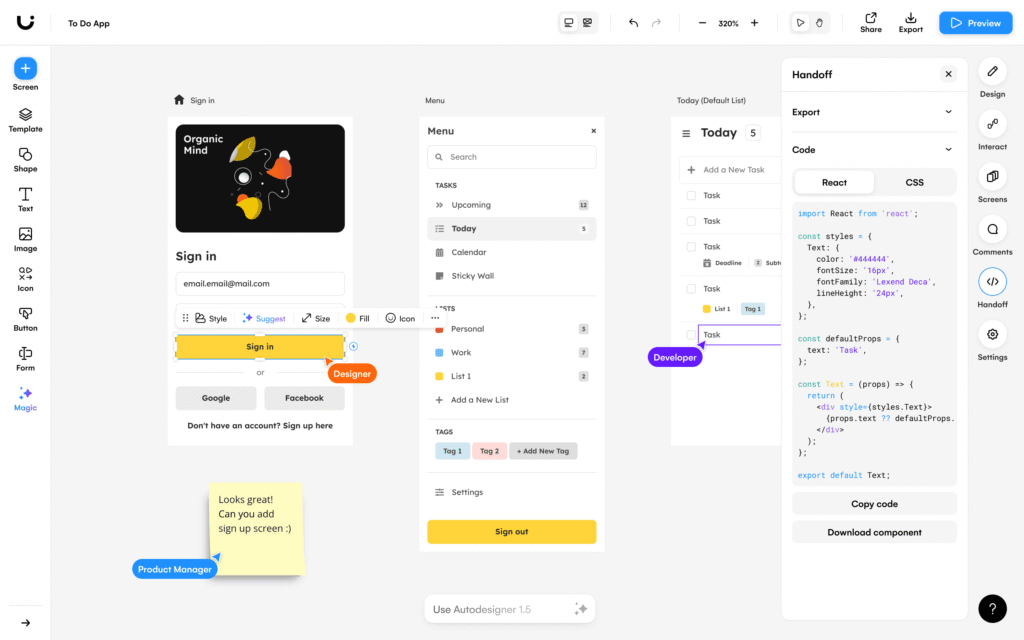
Uizard AI offers a suite of intuitive features that makes it unique in the world of UI/UX tools. One of its standout capabilities is its “sketch-to-design” feature. Users can upload a hand-drawn sketch of a user interface, and the AI will automatically transform it into a digital mockup. This significantly shortens the design cycle, allowing ideas to be rapidly tested and iterated. Another notable feature is its “text-to-design” capability, where users can describe a screen in plain English—for example, “a login screen with email and password fields and a login button”—and Uizard will instantly generate a prototype of that screen. It also supports theme customization, reusable components, collaborative editing, and real-time feedback, making it a practical choice for teams looking to iterate fast and stay aligned during the design process.
Benefits for Teams and Businesses
The most immediate benefit of Uizard AI is the dramatic increase in speed and efficiency it brings to digital product design. What would traditionally take hours or days using conventional tools can now be accomplished in a matter of minutes. This is particularly beneficial for startups, small teams, or solo entrepreneurs who may lack the resources to hire full-time designers or developers. Uizard’s no-code approach lowers the entry barrier to high-quality UI design, allowing even those with no technical background to contribute meaningfully to the design process. Moreover, because the platform enables real-time collaboration and feedback, teams can iterate more effectively, avoiding communication gaps that often slow down product development.
Real-World Use Cases
Uizard AI has found widespread adoption across various industries, from tech startups prototyping their MVPs to educational institutions teaching UI/UX principles in a more accessible way. Product managers use Uizard to quickly sketch out ideas and gather feedback before involving developers, thereby streamlining the entire product lifecycle. UX researchers and usability testers can also use the tool to create quick mockups for A/B testing or user interviews. Even marketing teams use Uizard to build landing pages and interface mockups that align with branding goals, all without needing to rely on developers for every small change. This flexibility makes Uizard not just a design tool, but a strategic asset for businesses seeking to move fast and stay agile.
AI in Design: The Future Outlook
As artificial intelligence continues to mature, tools like Uizard are just the beginning of what will likely become a new norm in the design industry. We can expect future iterations to be even more powerful—offering context-aware suggestions, auto-generating entire user journeys, and integrating deeply with development environments. AI-driven platforms will play a pivotal role in minimizing repetitive tasks, freeing up designers to focus more on creativity and problem-solving. While some critics worry that automation might replace human designers, the more likely scenario is one of augmentation, where tools like Uizard enhance the capabilities of human teams rather than replace them.
Conclusion
Uizard AI represents a significant leap forward in how digital interfaces are designed, making the process faster, more inclusive, and more aligned with modern agile workflows. By leveraging AI to automate tedious design steps and enabling non-designers to contribute, Uizard is not just changing how we build apps and websites—it’s changing who can build them. As the technology continues to evolve, it holds the promise of making high-quality design accessible to all, reshaping the digital landscape in the process.